Home › Soft Strip and Pre-Renovation Demolition (Residential)
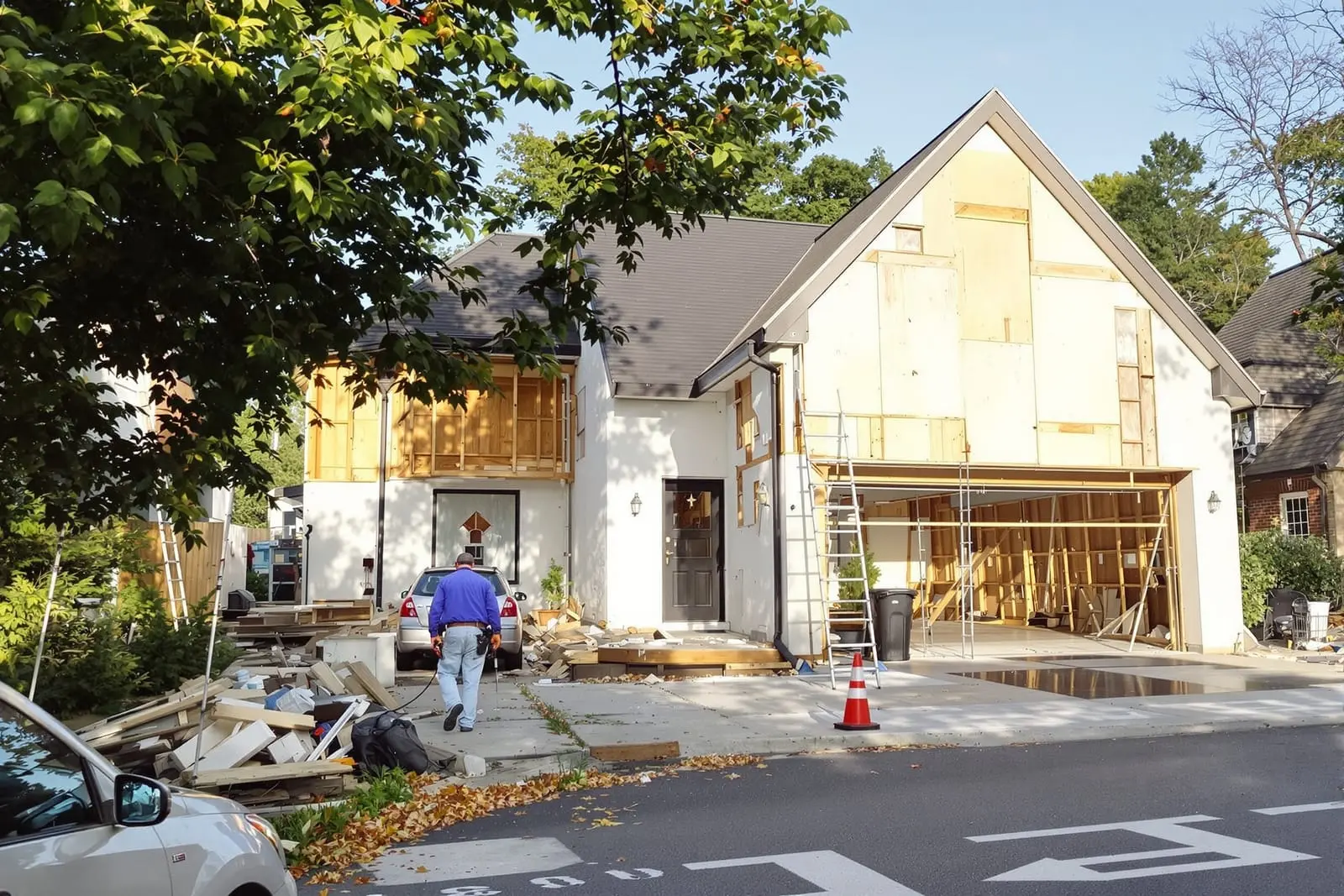
Our residential soft strip demolition in Atlanta, GA prepares homes and apartments for renovation by removing non structural elements. We take out cabinets, trim, flooring, ceilings, non load bearing walls, and fixtures while protecting surfaces that remain. Clean, organized work keeps your remodel on schedule and within budget.
Wrexo Demolition Atlanta provides professional soft strip demolition throughout Atlanta, GA and the surrounding area. Our licensed, insured crew delivers safe, clean, on-time work with a free estimate before anything begins. Call (678) 561-8690 or request your free quote.
Soft strip demolition for Atlanta homes, done the right way
Soft strip demolition is the careful removal of interior finishes, fixtures, and non-structural elements so you can remodel without damaging the bones of your home. At Wrexo Demolition Atlanta, we focus on residential soft strip and pre-renovation demolition that prepares your space for construction crews, electricians, and plumbers to start work safely and on schedule.
In a typical Atlanta house, soft strip demolition can include removing cabinets, countertops, interior doors, trim, drywall, plaster, floor coverings, acoustic ceilings, bath fixtures, and non-load-bearing walls. We disconnect and remove appliances, lighting, and fan units, then cap or secure utilities so your general contractor can reconnect everything later. The goal is a clean, safe, dry shell that meets your renovation plans and local code requirements.
Because many older Atlanta neighborhoods have mixed-age construction, we adjust our approach for each property. A 1920s bungalow in Grant Park will need a different touch than a 1990s townhome in Buckhead. Our crews pay attention to framing methods, old repairs, and previous remodels so we do not accidentally weaken structure or open up hidden issues without a plan to manage them.
Our step-by-step residential soft strip process
When you schedule Wrexo Demolition Atlanta for soft strip demolition, the process starts with a walk-through and review of your contractor’s plans. We identify which walls stay, which finishes go, and where plumbing and electrical are likely to be hiding. We take photos and mark areas that need special protection, such as original hardwoods you want to keep, built-in features, or historic trim.
Next, we protect your home. We typically seal off work zones with plastic sheeting to control dust, cover floors that are staying, and set up a path from the work area to our debris loading point to avoid tracking dust through the house. In multi-level homes around Atlanta, we often use stair protection and rail padding as well.
Once the area is prepped, we begin the actual strip out. We remove fixtures and appliances first, then trim and doors, then drywall and ceilings, and finally flooring when it is part of the scope. Utilities are shut off or isolated as needed. We use hand tools wherever precision matters, for example near wiring, plumbing, or brick chimneys. Structural items like load-bearing walls, beams, and main support posts are left intact or only touched according to your engineer’s or contractor’s direction.
Throughout the job, we separate debris streams such as clean wood, metal, and masonry. This makes recycling easier and keeps the site safer. Before we call the job complete, we sweep and magnet-scan for nails and screws, then walk the space with you or your contractor to confirm that everything on the scope has been removed and that framing is ready for inspections or new work.
What affects soft strip demolition cost in Atlanta
Every house is different, so prices for soft strip demolition in Atlanta depend on the conditions inside the walls, the materials we are removing, and site access. During our estimate, Wrexo Demolition Atlanta looks at several factors that significantly affect your final cost.
Scope is the first driver. A single kitchen gut is very different from stripping an entire floor or whole house. Removing tile showers, plaster walls, or heavy built-ins takes more labor than pulling modern drywall or vinyl flooring. If your renovation includes taking down multiple non-load-bearing walls, that adds time for careful removal and disposal.
Age of the home is another major factor. Many Atlanta homes built before 1980 may contain lead paint or materials that require specific handling. If we see signs of potential asbestos, such as older vinyl tile, popcorn ceilings, or certain mastics, we pause and recommend testing before proceeding. Managing these hazards correctly adds to the schedule and sometimes to the budget, but it protects your family and your future trades.
Access also matters. In-town properties with tight driveways, limited parking, or third-floor condos require extra planning for debris removal and material staging. The more time it takes to move material in and out, the more it affects cost. Finally, schedule intensity influences pricing. If you have a hard deadline because your renovation crew is booked or you need to move in by a certain date, we may increase crew size to meet that timeline, which slightly increases the price but can prevent bigger delays down the line.
Handling common issues in older and renovated Atlanta homes
Soft strip and pre-renovation demolition often reveal surprises, especially in layered or previously remodeled homes. At Wrexo Demolition Atlanta, we expect the unexpected and plan to communicate quickly when we find something that needs attention.
Hidden plumbing in what appears to be a simple partition wall is a frequent issue in Atlanta’s older houses. We open exploratory sections carefully instead of ripping full surfaces at once, so we can reroute our work if we uncover supply lines or cast iron stacks. When we find misrouted or DIY electrical work, we stop and flag the area for your electrician, rather than cutting through and risking live wires.
Moisture damage is another common discovery, particularly in basements, slab-on-grade additions, and over crawlspaces in neighborhoods like East Atlanta or Decatur. When we see mold, rot, or delaminated subfloor, we document it with photos and video so you and your contractor can decide how to proceed. While we do not perform remediation, we coordinate our demolition sequence to avoid spreading contamination and to give remediation teams clear access.
We also pay attention to sound and fire separation in attached townhomes and duplexes. During soft strip demolition, we take care not to breach rated party walls or shared mechanical chases without a plan to restore the rating. This protects you from problems with inspections and neighbor disputes later in the renovation.
When to schedule soft strip demolition in Atlanta
Residential soft strip demolition can be done year round in Atlanta, but certain timing choices can save headaches. For interior-only projects, weather is less of a direct issue, but it still influences comfort, dust control, and how easily we can stage materials and dumpsters.
Spring and fall often provide the best combination of moderate temperatures and lower humidity, which helps with dust management and keeps the home more comfortable if utilities are temporarily off. These seasons also tend to be busy for remodel contractors, so locking in your demolition slot early helps you keep your overall project on schedule.
Summer jobs are common but require more planning. With Atlanta’s heat and humidity, we pay extra attention to ventilation and worker hydration, and we try to schedule the noisiest or dustiest work for earlier in the day when possible. If you plan to live in the home during renovation, we may recommend phased soft stripping so you maintain livable areas with working HVAC.
In winter, daylight hours are shorter, but interior work goes forward without issue. One advantage is that dumpster availability can be better, which sometimes reduces hauling delays. Regardless of season, the ideal time to bring us in is after your design drawings are largely complete and before your finish selections are ordered, so we can uncover any surprises that might affect layout or budget before you commit fully to cabinets, tile, or custom pieces.
How to prepare your home and what to expect from us
Before Wrexo Demolition Atlanta arrives, we ask that you clear personal items from cabinets, closets, and surfaces in areas that are being stripped. Remove artwork, electronics, and anything fragile that could be affected by vibrations or dust. If you are keeping certain fixtures or appliances, we label and protect them so they are set aside safely instead of going into the debris stream.
We coordinate closely with your general contractor or designer so everyone agrees on what stays and what goes. Clear communication here prevents accidental removal of items like niche framing, in-floor heating components, or new windows that were recently installed. We encourage homeowners to be present on the first day if possible, so we can walk the space together and confirm priorities and protections.
During the job, you can expect noise, dust, and frequent in-and-out traffic. Our crew manages this with dust barriers, floor protection, and daily cleanup of paths and common areas. At the end of the project, debris is fully removed, work zones are broom-clean, and utilities are safely capped or labeled per scope so your plumber, electrician, or HVAC contractor can get right to work.
If you are planning a residential renovation anywhere in the Atlanta area and want a clean, safe start, our team is ready to help with detailed, careful soft strip demolition that respects your home and your schedule.
“
Professional soft strip and pre-renovation demolition (residential), done right the first time, quality materials, honest pricing, and results that last.
Wrexo Demolition Atlanta
Soft Strip and Pre-Renovation Demolition (Residential) Across Our Service Area