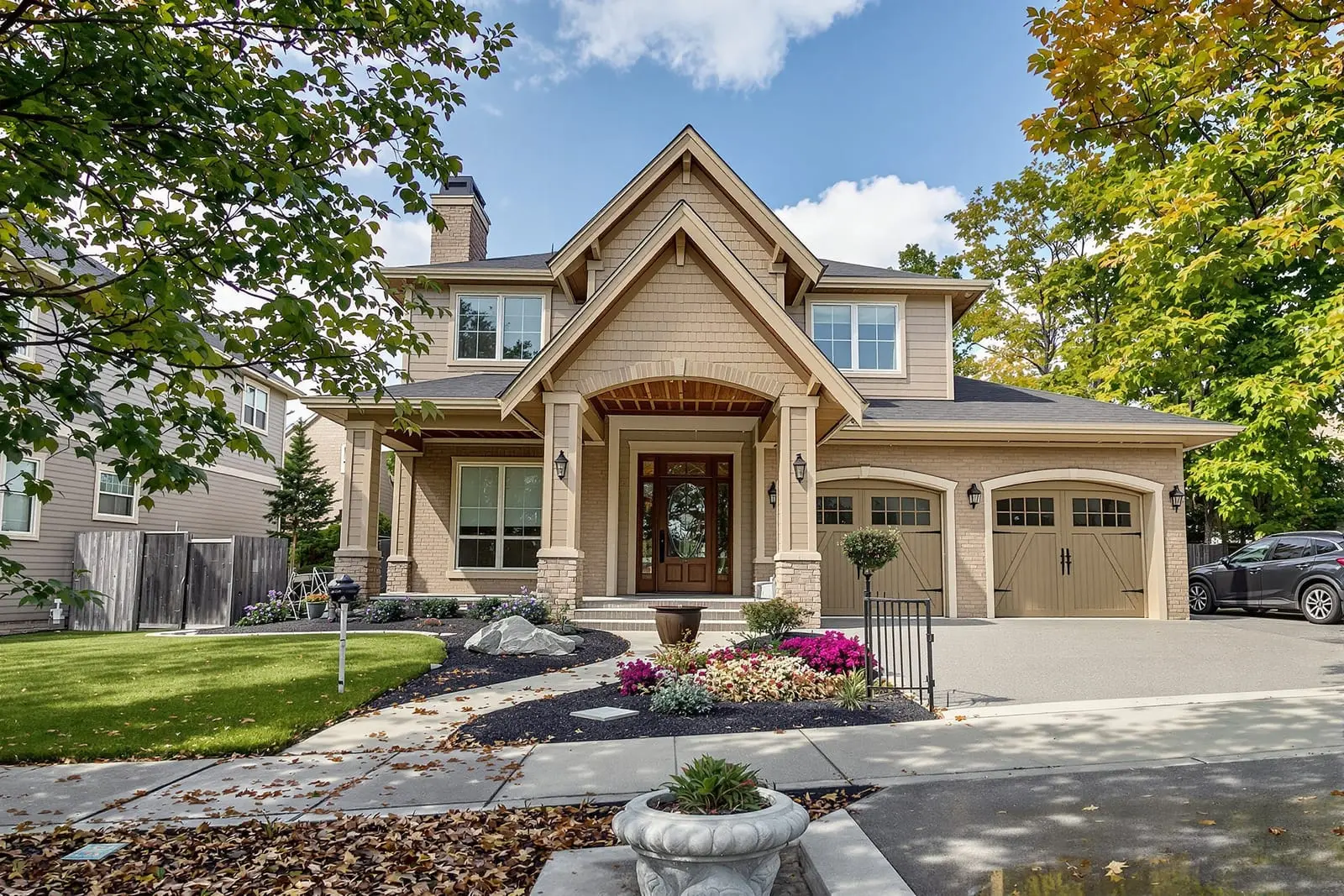
Our residential salvage and deconstruction services in Atlanta, GA focus on carefully dismantling structures to maximize material reuse and recycling. We remove doors, windows, flooring, and fixtures for salvage before taking down framing. This approach reduces landfill waste and can provide tax benefits when materials are donated.
Wrexo Demolition Atlanta provides professional residential deconstruction throughout Atlanta, GA and the surrounding area. Our licensed, insured crew delivers safe, clean, on-time work with a free estimate before anything begins. Call (678) 561-8690 or request your free quote.
Residential deconstruction that makes sense for Atlanta homes
If you are planning a remodel or teardown and hate the idea of sending usable materials to the landfill, residential deconstruction is the smarter option. Wrexo Demolition Atlanta focuses on carefully taking homes apart so you can reuse, donate, or resell what still has life in it.
Instead of bringing in an excavator on day one and crushing everything, we start with a site walk. We look at how your house was built, what year it was constructed, and which materials are worth saving. In Atlanta we see a lot of solid oak flooring from mid‑century homes, old growth framing lumber in intown neighborhoods like Grant Park and Cabbagetown, and brick that can be cleaned and reused on new patios or garden walls.
Residential deconstruction is a good fit if you are doing a major renovation, popping the top, removing an addition, or taking down a house to build new. It takes a bit more time than straight demolition, but you often save on disposal fees, can get tax benefits from donations, and keep good materials out of landfills. Our crew talks you through the tradeoffs up front so you understand where deconstruction makes financial sense on your specific project, not just in theory.
How our residential deconstruction process works
Wrexo Demolition Atlanta uses a step‑by‑step approach so your project stays organized and safe.
1. Inspection and planning
We start with a free on site visit. We document what can be salvaged, such as hardwoods, cabinets, doors, windows, fixtures, mantels, brick, and sometimes even HVAC equipment. In Atlanta we also pay close attention to lead paint in older intown homes and asbestos in popcorn ceilings, duct wrap, or old floor tiles. If we see anything suspicious, we recommend third‑party testing before work begins.
2. Utility coordination and permitting
Before we touch the structure we coordinate with you and the utility companies to shut off or cap water, gas, electrical, and in some cases sewer. We are familiar with City of Atlanta and surrounding county permit requirements, which can differ between places like DeKalb, Fulton, and Cobb. If full structural removal is involved, we help you understand when you need a demolition permit versus when work can be done under your building permit.
3. Soft strip and interior salvage
We start from the inside out. That means removing doors, trim, light fixtures, plumbing fixtures, appliances, cabinets, and built ins. Salvageable items are removed with hand tools, labeled, and staged either in a designated room, a container, or directly onto your trailer if you are transporting them yourself. We protect areas of the home that stay, like portions of the slab or neighboring structures.
4. Structural deconstruction
Once the interior is stripped, we move to framing, roofing, and exterior walls. We typically take the roof off section by section so we can pull nails and keep lumber intact. Good 2x lumber and joists are denailed and stacked by length. Brick is taken down by hand or with small mechanical assistance, then cleaned and palletized. If complete hand deconstruction is not practical in some areas, we may use a small excavator to assist while still sorting materials.
5. Sorting, hauling, and site cleanup
Materials are separated into reuse, recycle, and trash streams. Reuse items may go to you, a local architectural salvage yard, or a nonprofit such as Habitat for Humanity ReStore, depending on your preference. Metals, concrete, and clean wood waste are routed to appropriate recyclers around metro Atlanta. The final step is grading and rough leveling of the site so your builder can start work without delays.
What can actually be salvaged from an Atlanta home
Every house is different, but residential deconstruction in Atlanta tends to reveal some consistent salvage opportunities.
Commonly saved materials:
• Flooring: Many older bungalows and ranches have solid oak, heart pine, or maple floors that refinish beautifully in new spaces.
• Framing lumber: Studs, joists, beams, and rafters from pre‑1990 homes often use better quality lumber than what you buy today. This material is great for new framing, accent walls, or furniture projects.
• Brick and block: Intown neighborhoods often have high quality brick facades and chimneys. Once cleaned, these can be reused for new exteriors, garden walls, or landscape edging.
• Doors and trim: Solid wood doors, original casings, and baseboards can bring character to new construction or be sold to local salvage yards.
• Kitchens and baths: If your cabinets are solid wood or relatively new, they are excellent candidates for reuse. Sinks, tubs, and fixtures also have strong demand.
Limitations we explain clearly:
Not everything is worth saving. Water‑damaged or mold‑infested materials are usually discarded for health reasons. Particle board cabinets, warped framing, and heavily lead‑painted trim may cost more to handle safely than they are worth. Our team at Wrexo Demolition Atlanta walks you through each category so you are not paying us to delicately remove something that belongs in a dumpster.
We also consider timing and storage. If your build schedule is tight or you have nowhere to store salvaged items, we plan a salvage scope that fits reality instead of trying to save every last board just for the sake of it.
Costs, timelines, and how to keep your project on budget
Residential deconstruction can cost more in labor than straight mechanical demolition, but the total project cost often balances out once you factor in reduced disposal fees and potential tax benefits from donating materials.
Main cost drivers in Atlanta:
• House size and layout. A compact 1,200 square foot ranch is faster to deconstruct than a three story home with additions and tight access.
• Material types. Homes with high salvage potential, such as quality hardwoods and brick, give you more value for the added labor. Lightweight, low quality materials are cheaper to demolish than deconstruct.
• Hazardous materials. If lead or asbestos are present, those must be addressed by licensed abatement contractors before certain parts of the deconstruction proceed. We coordinate timing with them so you do not lose days waiting.
• Site access and location. Many older Atlanta neighborhoods have narrow driveways or alleys and limited room for dumpsters. Tight sites require more hand carrying and creative staging, which affects labor hours.
A typical schedule for a full house residential deconstruction in metro Atlanta might run 7 to 15 working days, whereas pure mechanical demolition might be 2 to 4 days. Partial deconstruction before a renovation can be completed in a few days, depending on how much is being salvaged.
To keep your budget under control, Wrexo Demolition Atlanta builds a detailed itemized scope. For example, we might recommend full salvage of flooring and cabinetry, selective salvage of doors and fixtures, and simple mechanical removal of damaged additions. You see up front where the labor is going and can adjust the plan to match your priorities.
We also help you document donations if you choose to give materials to qualified nonprofits. A proper inventory and receipts can support potential tax deductions, which many homeowners overlook until it is too late to track.
Why local experience matters for residential deconstruction
Residential deconstruction looks simple on video, but getting it right in Atlanta requires local knowledge and coordination.
Older intown homes around areas like East Atlanta, West End, and Kirkwood often combine several eras of construction. You might have original knob and tube wiring hidden behind newer drywall, or non standard framing patterns from early 1900s builds. Our crew has taken apart enough of these homes to know where surprises usually hide, so we open walls and ceilings in a controlled and safe order.
Weather is another factor. Atlanta humidity, summer thunderstorms, and red clay soil all affect how we stage a deconstruction project. We protect salvageable materials from sudden downpours, cover stacked lumber and brick, and keep walk paths safe in muddy conditions so the work keeps moving.
We also maintain relationships with local recyclers and salvage outlets, which is critical if you want your materials to be reused quickly. Knowing who accepts what, on which days, and in what condition, means we can plan loads so materials do not sit on your property longer than necessary.
When you contact Wrexo Demolition Atlanta, we start with a conversation about your goals. Are you trying to maximize salvage value, move as fast as possible, minimize environmental impact, or a mix of all three? From there we design a residential deconstruction plan that fits your schedule, your budget, and your specific Atlanta property.
If you are ready to explore residential deconstruction instead of traditional demolition, reach out to schedule an on site walk. We will show you exactly what can be salvaged, what it will cost, and how to line it up with your remodel or new build timeline.
“
Professional residential salvage and deconstruction, done right the first time, quality materials, honest pricing, and results that last.
Wrexo Demolition Atlanta
Residential Salvage and Deconstruction Across Our Service Area