Home › Commercial Demolition Debris Hauling and Disposal
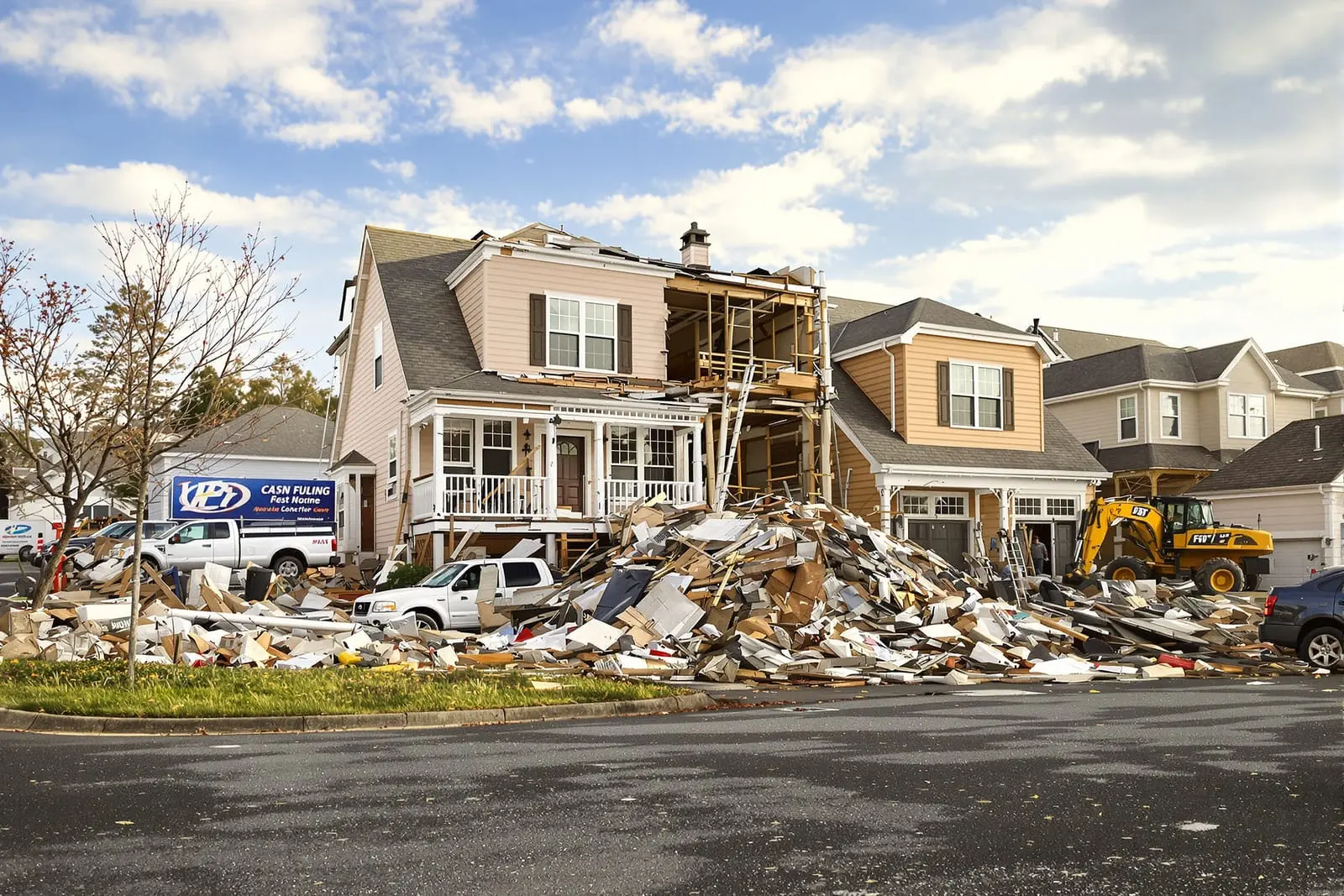
We provide commercial demolition debris hauling and disposal for projects throughout Atlanta, GA. Our roll off trucks and trailers handle large volumes of concrete, steel, and mixed debris from industrial and commercial sites. Materials are sorted for recycling when possible, with documentation available for landfill diversion goals.
Wrexo Demolition Atlanta provides professional commercial demolition debris removal throughout Atlanta, GA and the surrounding area. Our licensed, insured crew delivers safe, clean, on-time work with a free estimate before anything begins. Call (678) 561-8690 or request your free quote.
Commercial Demolition Debris Removal for Atlanta Properties
Commercial demolition debris removal is not just about loading trash into a truck. For an Atlanta business, it is about clearing a site quickly, safely, and in a way that keeps inspectors, landlords, and neighbors satisfied. Wrexo Demolition Atlanta focuses on the kind of debris that comes off real Atlanta jobs: concrete from parking decks, block walls from older industrial buildings, brick veneers, steel studs, commercial roofing, and interior build out materials from offices and retail spaces.
Most commercial projects here sit on tight urban or suburban sites, often with shared driveways, active tenants, or limited loading areas. Before any hauling starts, we walk the property with you, look at access points, overhead lines, and loading zones, then build a debris logistics plan that fits your building rules and schedule. For downtown and midtown locations we often coordinate with property management to reserve loading docks and elevator time if debris is coming from upper floors.
Our crews are used to working around live operations, such as open restaurants in the same center, active warehouses, or partially occupied office floors. We set up barricades, staging zones, and floor protection so debris can move from the demo area to the trucks without tracking dust or damaging common areas. The goal is simple: get every ton of demolition material out with as little disruption to your tenants, customers, and traffic as possible.
How Our Debris Hauling and Disposal Process Works
Wrexo Demolition Atlanta uses a straightforward, field tested process so you know what is happening at every stage.
Step 1: Site evaluation and material breakdown. We walk the site, measure volume, identify materials (concrete, brick, metal, wood, drywall, roofing, glass, insulation, etc.), and note any special items like heavy machinery pads or walk in coolers. This lets us choose the right trucks, roll off containers, and equipment.
Step 2: Planning haul routes and staging. For commercial buildings we plan the path from the demo area to the truck. In a strip center that might be a rear corridor and loading dock. In a high rise it might be a freight elevator and designated street lane. We set staging areas where debris can be stockpiled, sorted, and loaded without blocking fire lanes or customer parking.
Step 3: Segregating debris. Where practical and allowed by the schedule, we separate clean concrete and masonry from mixed debris. Clean concrete from parking lots, warehouse slabs, or loading docks can usually go to a recycler, which cuts disposal cost per ton compared to mixed loads. Steel, aluminum storefront, and some roofing metals can be pulled out for scrap value that helps offset hauling costs.
Step 4: Loading and hauling. For heavy commercial concrete and block, we typically use roll off dumpsters, tandem dump trucks, or end dumps. Interior commercial gut jobs may use smaller containers or box trucks for repeated runs in tight downtown alleys. Our operators and laborers load with skid steers, mini excavators, and hand labor as needed. We watch weight limits so trucks are legal on Georgia roads and do not get turned around at the scale house.
Step 5: Disposal and documentation. We take material to properly permitted landfills or recycling centers in the Atlanta area. On request, we provide weight tickets and disposal receipts, which many corporate facility managers and general contractors need for closeout packages or LEED style tracking. When the last load leaves, we perform a final sweep of the site and make sure pads, docks, and access roads are clear.
Local Factors That Affect Cost and Scheduling in Atlanta
Several Atlanta specific details affect the price and timing of commercial demolition debris removal. Understanding them helps you plan the job and avoid surprises.
Access and distance are usually the biggest cost drivers. A large suburban warehouse in Stone Mountain or College Park with a wide yard and direct truck access is cheaper to haul from than a tight lot in Midtown with a single alley and height restrictions. More time backing, spotting, and hand moving debris into containers means more labor hours and sometimes smaller trucks, which increases the number of loads.
Local traffic and time of day also matter. Around Buckhead, Midtown, and the Perimeter, heavy rush hour traffic can slow haul trucks enough to limit how many trips they can make in a day. For those areas, Wrexo Demolition Atlanta often recommends early morning or later evening load outs. Some buildings in central Atlanta also restrict hauling hours, so we coordinate with property managers in advance to set windows that match your construction schedule.
Material type has a big impact on disposal fees. Clean concrete and brick from commercial pads, ramps, and block walls can usually go to a recycler at a lower per ton rate. Mixed debris from interior office demo, retail strips, or restaurants, which may include wood, drywall, ceiling tile, insulation, glass, and flooring, usually costs more to dispose of. Roofing tear offs, especially with multiple older layers, can fall into a higher rate category as well.
Season and weather are worth considering in Georgia. Summer heat slows manual labor and can limit how long workers can safely load outdoors, especially on reflective concrete surfaces. Heavy winter or spring rains can turn dirt laydown areas into mud that trucks can sink into, which increases time needed for loading and cleanup. For large exterior concrete removal, late fall and early spring often give the best balance of daylight, temperature, and ground conditions for efficient hauling.
Regulations and special handling also influence cost. If your building is old enough that asbestos containing materials or lead paint are suspected, those items must be abated and cleared before we can do standard debris hauling. Once abatement is complete and clearance tests are passed, we can handle the non hazardous demolition debris at normal rates.
Handling Heavy Concrete, Structural Debris, and Safety Concerns
Commercial demolition debris removal usually includes heavier and more complex materials than a typical residential job. Wrexo Demolition Atlanta routinely deals with thick concrete slabs, machine foundations, mezzanines, masonry fire walls, CMU stair cores, and structural steel.
For heavy concrete, we cut and break sections into sizes that can be lifted safely and legally transported. On thick pads and machine bases, we may saw cut into grids, then break with an excavator hammer. We pay close attention to rebar density because it changes both breaking time and how material loads in the truck. Too much rebar can leave voids in a load and waste capacity, so our crews often shear or torch oversize bars to fit properly.
Structural steel beams, bar joists, and columns require a different approach. Where demolition sequencing allows it, steel is cut into stock lengths that stack cleanly in a container or on a trailer. This keeps loads stable on the road and also means better scrap value if recycling is part of your plan. We secure these loads carefully to comply with Georgia DOT rules and prevent shifting during transport.
Safety is at the center of how we run debris removal. Our team follows lockout and barricade procedures around active commercial equipment, loading docks, and forklift lanes. We use spotters around trucks and heavy equipment on tight Atlanta sites, especially where trucks must cross sidewalks or active parking lots. In office tower or hospital environments we protect floors, walls, and elevator interiors with ram board, plywood, or padding so debris handling does not damage finished surfaces.
Dust and noise control are also key, particularly in mixed use buildings and medical or office environments. When concrete or block is being broken, we use water suppression where practical and coordinate the loudest work for times that will not conflict with sensitive operations. For interior debris movement, we often bag and wrap dusty materials to keep common areas clean and maintain good relationships with landlords and neighboring tenants.
What Atlanta Businesses Should Know Before Hiring a Hauling Contractor
Before you choose a contractor for commercial demolition debris removal, there are a few points that matter in Atlanta that do not always show up on a basic quote.
First, confirm that the company is actually set up for commercial scale work, not just small residential cleanouts. Ask what size trucks and containers they use, how they handle access in urban or multi tenant properties, and whether they can provide certificates of insurance matching your building requirements. Wrexo Demolition Atlanta routinely works under general contractors and property managers who require named insured and higher liability limits.
Second, ask how they separate and dispose of different materials. A quote that looks cheap but sends everything to a high cost landfill and does not separate recyclable concrete or metals can end up costing more over a multi week project. A contractor who understands local recycling options around Atlanta can help you reduce tipping fees and may support corporate sustainability goals.
Third, timing and coordination are critical. If your project is tied to a tenant turnover date, permit deadline, or phased construction schedule, you need a hauler that can commit to specific windows and adjust crew size and truck count as needed. We often stage extra containers or schedule back to back hauls for critical weekends so interiors are cleared in time for framing, slab work, or new utilities.
Fourth, pay attention to how cleanup is handled. At the end of a commercial demolition phase, most landlords and city inspectors expect more than just empty space. Concrete dust, nails, broken glass, and stray scrap can cause injuries or damage vehicles. Our standard service includes rough broom cleaning around loading areas and a sweep of the building or slab to remove loose debris so follow on trades can move in safely.
Finally, make sure you have clear documentation. Many Atlanta companies, especially national chains and institutional owners, require proof of proper disposal. Wrexo Demolition Atlanta can provide scale tickets, landfill or recycler receipts, and basic haul logs that show how many loads left the site and when. This simple step can prevent closeout delays and questions from corporate risk management or environmental reviewers.
“
Professional commercial demolition debris hauling and disposal, done right the first time, quality materials, honest pricing, and results that last.
Wrexo Demolition Atlanta
Commercial Demolition Debris Hauling and Disposal Across Our Service Area