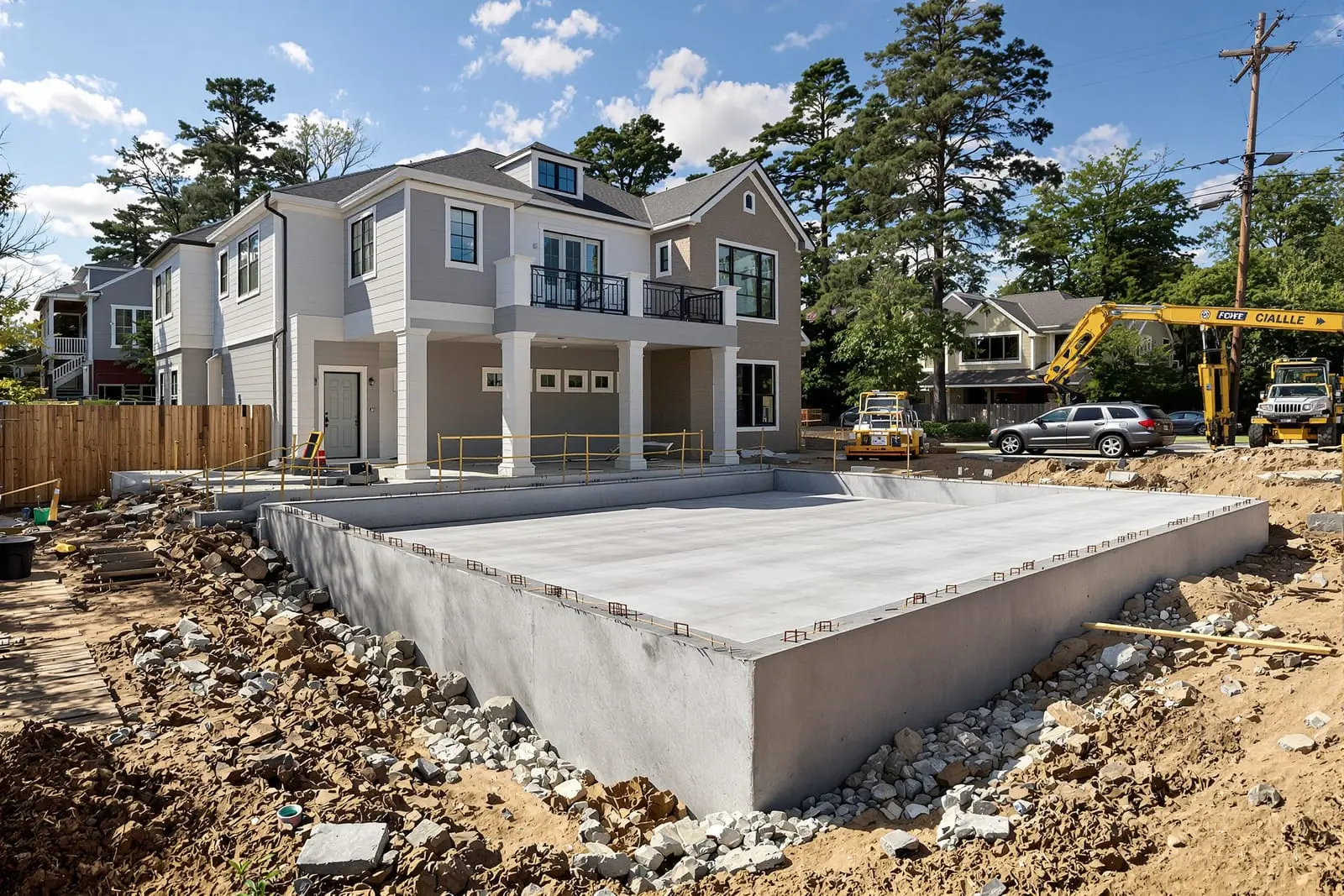
We perform commercial concrete slab demolition in Atlanta, GA for foundations, floors, and structural elements. Using breakers, saws, and specialized attachments, we remove concrete safely while protecting adjacent structures. Debris is processed and hauled to recycling facilities whenever possible.
Wrexo Demolition Atlanta provides professional concrete slab demolition throughout Atlanta, GA and the surrounding area. Our licensed, insured crew delivers safe, clean, on-time work with a free estimate before anything begins. Call (678) 561-8690 or request your free quote.
Concrete slab demolition for Atlanta homes and businesses
Concrete does its job so well that when you finally need it gone, it can feel impossible to remove. Wrexo Demolition Atlanta focuses on concrete slab demolition and structural concrete removal tailored to Atlanta properties, from small patio slabs in Decatur to thick warehouse floors on the Westside.
Instead of a generic one-size-fits-all approach, we start by figuring out exactly what kind of concrete you have. A typical driveway in an older Atlanta neighborhood might be 4 inches thick with light wire mesh, while commercial loading docks near I-285 or airport-adjacent sites often run 8 inches or more with rebar and deeper footings. That difference changes the equipment we bring, how we break the slab, and how many loads of debris will be hauled off.
We also look closely at what is around the concrete. Is it next to a brick foundation in Grant Park, over a basement or crawlspace common in older Atlanta homes, or poured directly on Georgia clay in newer subdivisions? All of that affects how aggressively we can break and lift the slab without hurting what you want to keep. Before we touch anything, we walk the area with you so we know which trees, fences, utilities, or surfaces must be protected.
How Wrexo Demolition Atlanta actually removes concrete slabs and structures
Concrete slab demolition is more than smashing and hauling. For most Atlanta properties, our work follows a clear set of steps that keep the job controlled and predictable.
First, we locate utilities. In Atlanta, that means calling 811 for public lines and, on many intown lots, tracing private water, gas, and electrical runs that cut through backyards to detached garages or guest houses. For interior slab removal, we also identify plumbing lines under the slab, especially in basements and ground level commercial spaces that may have floor drains or old cast iron pipes.
Next, we choose the right tools. For open driveways and parking lots, we usually use a skid steer or excavator with a hydraulic breaker to fracture the slab into manageable chunks, then a bucket or grapple to lift and load them. In tighter intown spaces like Cabbagetown or Inman Park, where side yards are narrow, we may use compact equipment, handheld breakers, and concrete saws to cut the slab into sections we can carry or cart out.
For structural concrete like load bearing walls, balcony decks, or elevated slabs, we move slower and more surgically. We relieve loads in stages, cut reinforcement where needed, and support adjacent materials so nothing shifts suddenly. In multi level buildings, we often sawcut sections and remove them piece by piece instead of dropping large panels, which protects lower floors and any occupied areas under the work zone.
Once the slab is broken, we sort and load debris. Clean concrete (free of trash, wood, and soil) can often be taken to local recycling facilities around metro Atlanta, where it is crushed and reused for aggregate or base material. Rebar and metal reinforcement are separated and recycled as scrap. This keeps your disposal costs down and reduces landfill use.
What affects the cost of concrete slab demolition in Atlanta
Customers often ask why two slabs that look similar are priced differently. With concrete slab demolition, a few details make a big difference in cost and schedule.
Thickness and reinforcement are the first big drivers. A 4 inch patio with light mesh takes far less time and equipment wear than an 8 inch truck rated parking area with heavy rebar. In many Atlanta commercial sites and apartment complexes, we see double mat rebar or post tension slabs that require careful cutting to release tension safely, which increases labor and tooling.
Access is the second major factor. A backyard slab off a wide driveway in Smyrna is very different from a courtyard slab behind a house with no alley access in Midtown. If we can bring in a skid steer and roll off container close to the slab, we can work faster and cheaper. If debris has to be carted through a narrow side gate or through part of a building, it takes more crew time and protection measures for floors and walls.
Subsurface conditions also matter. Much of Atlanta sits on dense red clay, but there are pockets of fill material and areas with high water tables, especially near creeks or low spots. If your slab is sitting on poor fill and we need to excavate and recompact or if you plan a new slab or foundation in the same spot, we will factor grading and base preparation options into our recommendations.
Finally, permitting and logistics affect total project cost. Some slab removals in Atlanta require permits, especially when tied to larger renovations, structural changes, or commercial work. If street parking or lane closures are needed for roll off dumpsters in busier neighborhoods, permit timing and fees can influence schedule and price. Wrexo Demolition Atlanta walks you through what is actually required for your address so you are not surprised halfway through the job.
Common challenges with concrete removal in Atlanta and how we handle them
Concrete slab demolition around Atlanta comes with recurring local challenges. We plan for them so your project stays on track.
Unknown thickness is common, especially with older driveways and carports that were patched and repoured over time. To avoid surprises, we usually test several spots around the slab by chipping or coring small holes so we know what we are dealing with before we mobilize larger equipment. If we discover thicker or double poured areas, we explain what that means for noise, duration, and cost before pushing ahead.
Another Atlanta specific issue is tree root interaction. Many slabs were poured right up against mature oaks and pines. Removing the concrete without harming the root system or destabilizing the tree takes care. We break the slab in smaller sections near trunks, avoid deep excavation around major roots, and, when needed, coordinate with an arborist if you are worried about tree health.
In basements and ground level interiors, moisture and drainage are frequent concerns. When we remove a slab in a low area, like parts of East Point or College Park, we look at how water currently moves on your property. If a new slab, crawlspace, or finished floor is going back in, we may recommend adding a gravel base, vapor barrier, or simple drainage improvements while the area is open. Addressing these issues during demolition is far cheaper than ripping out a new floor later.
Noise and vibration are another concern, especially in tightly packed Atlanta neighborhoods and in multi tenant buildings. We schedule the louder work in agreed time windows, use sawcutting where practical to reduce hammer time, and monitor vibration near sensitive structures like older brick foundations or historic properties. Our goal is to get the concrete out without starting a war with your neighbors or tenants.
What to expect when you hire Wrexo Demolition Atlanta
When you call Wrexo Demolition Atlanta for concrete slab demolition, we focus on clarity first, then demolition. The process starts with a site visit where we measure the slab, check thickness where possible, look at access, and talk with you about what comes next in the space, whether it is new concrete, landscaping, or building work.
You receive a written scope that spells out exactly what we will remove, where we will stage equipment, how we will protect adjacent surfaces, and where debris will go. For example, we might spell out that we are removing a 20 by 40 foot driveway slab, sawcutting cleanly at the property line, protecting your garage slab, and hauling all broken concrete to a specific recycling facility. If you prefer to keep some material on site for fill or temporary access, we can plan for that as well.
On demolition day, our crew sets up safety barriers, verifies utility markings, and walks the work area with you before starting equipment. As the slab comes out, we keep the site as tidy as possible, consolidating debris in preplanned staging zones and loading out consistently so your property does not look like a long term construction site.
At the end of the job, we rough grade the exposed area so it drains reasonably and is safe to walk on. If your next contractor has specific requirements for subgrade preparation, we can coordinate with them so the surface we leave matches what they need. Before we leave, we walk the area with you again to confirm that all agreed concrete has been removed, surrounding features are as promised, and you are ready for the next step in your project.
“
Professional concrete structural and slab demolition, done right the first time, quality materials, honest pricing, and results that last.
Wrexo Demolition Atlanta
Concrete Structural and Slab Demolition Across Our Service Area