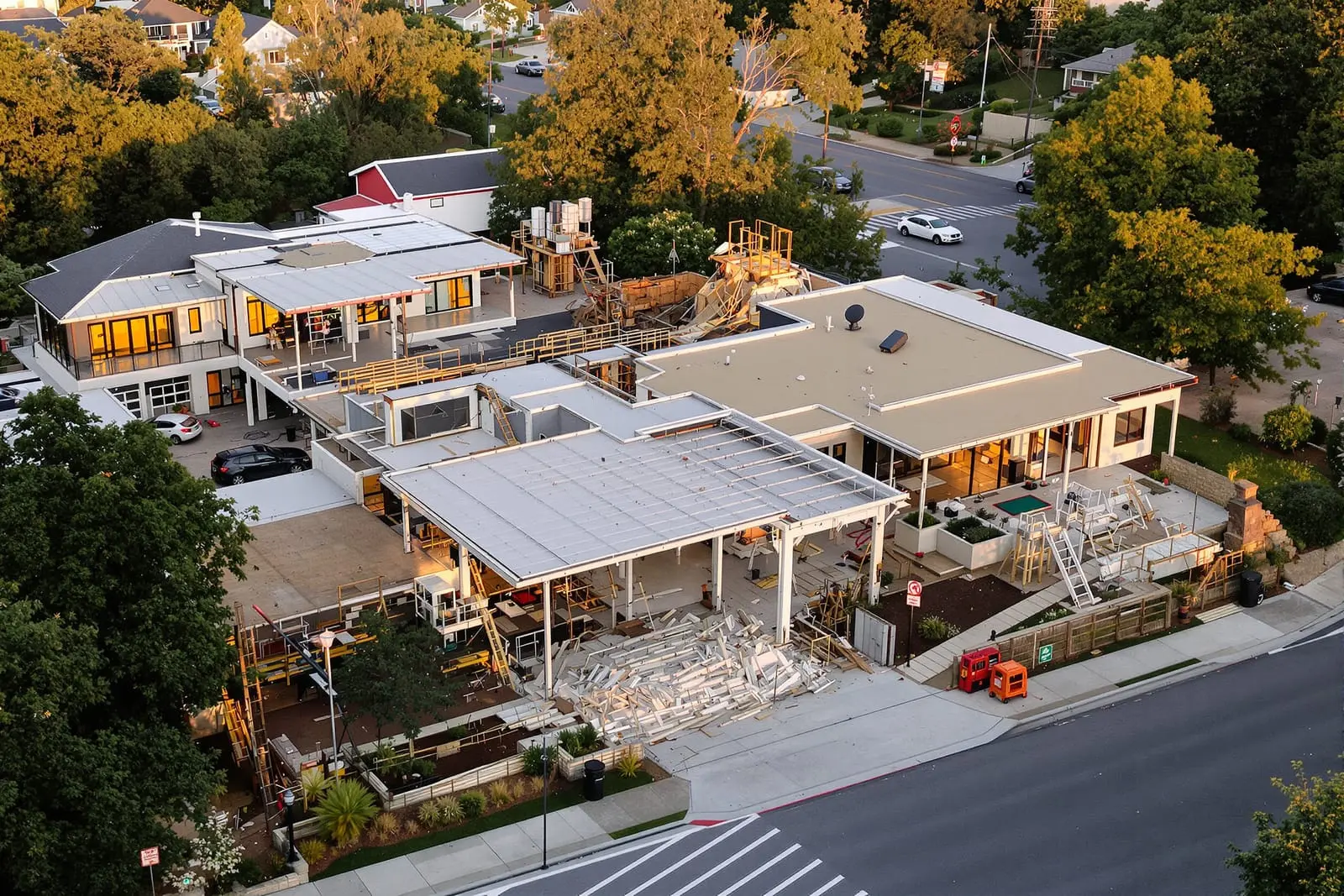
Our bridge and civil structure demolition services in Atlanta, GA support infrastructure owners and contractors with engineered removals. We demolish bridge spans, abutments, culverts, and retaining structures using controlled methods. Traffic control, containment, and debris handling are planned to protect the public and environment.
Wrexo Demolition Atlanta provides professional bridge demolition throughout Atlanta, GA and the surrounding area. Our licensed, insured crew delivers safe, clean, on-time work with a free estimate before anything begins. Call (678) 561-8690 or request your free quote.
Bridge Demolition Specialists Serving Metro Atlanta
Bridge and civil structure demolition is not a simple wrecking job. It is controlled removal of heavily reinforced concrete and steel that sits over roads, rail lines, rivers, or active businesses. At Wrexo Demolition Atlanta, our crew focuses on planning the demolition around how people actually use the space every day in and around Atlanta.
For local bridge demolition projects, we start with a detailed walk of the structure and the surroundings. We look at clearances over I-75 and I-285 style corridors, nearby schools or hospitals, buried utilities, and traffic patterns at different times of day. In metro Atlanta, rush hour and weekend event traffic often control when we can safely take sections down. We coordinate with the city, GDOT, and any affected property owners before a single piece of concrete is cut.
We also study the original bridge plans when available, so we know where the heavy rebar cages, post-tension cables, and bearing pads are hidden. Older bridges around Atlanta can have surprises like deteriorated concrete, undocumented repairs, or lead paint coatings. Identifying those early lets us choose the right methods, whether that is mechanical shears and hammers, saw cutting, or carefully controlled explosive charges in permitted situations.
If you call Wrexo Demolition Atlanta about a bridge or civil structure demo, expect us to ask for photos, location, and any drawings you have. We will flag any issues that might affect cost or schedule, such as water crossings, adjacent rail lines, or tight access in older intown neighborhoods where heavy equipment mobilization is trickier than in open suburban sites.
How Bridge and Civil Structure Demolition Actually Happens
Most Atlanta bridge demolition work uses a mix of heavy machinery, concrete cutting, and sometimes limited blasting, depending on the structure and permitting. We build a step-by-step demolition plan that controls how the load transfers as pieces are removed, so nothing collapses unexpectedly.
On a typical overpass or small bridge, we first shut down or shield the area under the structure. That might mean full lane closures at night, temporary decking over an active roadway, or building catch platforms to keep debris off MARTA tracks or utilities. Once the area under the bridge is protected, we remove railings, parapets, and deck furniture to expose the main concrete deck and girders.
Next, we usually saw cut the deck into manageable panels or zones. In some cases we cut right over the beams so excavators with hydraulic hammers and concrete processors can break the deck apart from above, while cranes or loaders manage falling debris. Reinforcing steel is separated and stockpiled for recycling. On post-tensioned decks, we carefully detension or isolate the cables before cutting to avoid dangerous snap-backs.
For steel beams or precast girders, we often torch cut or saw cut connections, then pick pieces out with cranes in a controlled sequence. On older rural bridges, we can sometimes lower entire spans at once onto the roadway if we have enough space and permitting to do so. In more congested Atlanta locations, we usually work span by span and often over several nights to keep traffic moving during the day.
Retaining walls, abutments, and piers are handled with a combination of mechanical breaking and saw cutting. Where there are nearby foundations, gas lines, or fiber conduits, we avoid heavy impact hammers and instead use smaller machines, wire sawing, and chip-out methods that give us more control over vibration and cracking.
Planning, Permits, and Safety in the Atlanta Area
Bridge demolition in Atlanta requires more paperwork and coordination than many customers expect. Wrexo Demolition Atlanta routinely works through these steps so owners and general contractors are not stuck in back-and-forth with agencies.
First, we handle or support structural engineering reviews of the demolition sequence. An engineer confirms that the order we remove deck, beams, and supports will not overload any part of the bridge or neighboring structures. For complex interchanges or projects near rail, this review is mandatory.
Second, we assist with permits. In the city of Atlanta and most metro counties, bridge demolition requires right-of-way permits, lane closure approvals, and sometimes night work noise approvals. If a creek, river, or wetland is under the structure, state or federal environmental permits may apply. For structures with known asbestos bearings, lead paint, or other hazards, abatement permits must be in place before demolition starts.
Safety planning is as important as any machine on the job. We create site-specific safety plans that cover fall protection on elevated decks, lockout/tagout of utilities, crane lift plans, hot work protocols for cutting steel, and vibration monitoring if requested by the owner. Our crews attend pre-job briefings that include how to manage weather changes, traffic incidents nearby, and emergency shutdown procedures.
Atlanta weather also affects demolition planning. In summer, we schedule the heaviest labor and crane picks during cooler overnight hours when possible, which often lines up well with lane closure requirements. During heavy rain seasons, we plan work over waterways and slopes more carefully because saturated soils can shift under equipment, and runoff controls must be set to keep concrete fines out of storm drains and streams.
What Drives the Cost and Schedule of Bridge Demolition
Customers usually want to know why one bridge demolition price looks very different from another. At Wrexo Demolition Atlanta, we walk you through the main cost drivers so you understand what you are paying for.
Access and traffic control are often the biggest factors. A small bridge over a quiet local road in the outer suburbs is much cheaper to remove than a similar size bridge over a major interstate or busy arterial in Fulton or DeKalb. If police details, complex detours, temporary shielding, or multiple weekend closures are required, that adds labor and traffic control materials.
The bridge construction type matters. Heavily reinforced concrete with thick decks and large piers requires more hammer time, heavier processors, and more hauling of dense debris. Post-tensioned structures need extra engineering and careful cable handling. Steel bridges require more crane time, rigging, and hot work safety measures. Unknowns, such as missing drawings or signs of major deterioration, can also add contingency costs.
Disposal and recycling is another major piece. In metro Atlanta, tipping fees for mixed debris can be high, so we separate concrete, rebar, and structural steel whenever practical. Clean concrete can be crushed and used as base or fill, sometimes right on the project site, which can lower hauling and disposal costs. Hazardous coatings such as lead-based paint must be handled and disposed of separately.
Schedule expectations also affect pricing. If you need a bridge removed in a tight window to tie in a new roadway or structure, we may bring in additional equipment and crews for double shifts or weekend intensive work. That accelerates the job but increases labor and mobilization costs. On the other hand, spreading non-critical demolition over more days can reduce peak costs, especially if we can share equipment between jobs.
We encourage Atlanta clients to share their real schedule pressures, utility relocation dates, and follow-on work plans with us early. A clear picture often lets us sequence the demolition so other trades can start earlier, which may save more money overall than trying to cut the demo price alone.
Common Bridge Demolition Challenges and How We Handle Them
Bridge and civil structure demolition around Atlanta comes with a predictable set of headaches. Wrexo Demolition Atlanta is set up to deal with them quickly so projects do not stall.
Hidden utilities and communication lines are very common. Older plans may show a single water line on a bridge, but field investigation might reveal additional fiber bundles or temporary power conduits. We always perform a utility locate and often open small exploratory holes to confirm locations before heavy equipment gets close. If a line is found that must stay live, we build custom supports or shielding so the demolition can continue safely around it.
Tight working space is another issue, especially for urban bridges, parking structures, or elevated walkways. When bringing in a full-size excavator or crane is not possible, we use smaller machines, robotic breakers, wire saws, and skid steers to dismantle sections in smaller pieces. This takes more planning, but it keeps the job moving where others might walk away.
Noise and vibration concerns can come up on projects near homes, hospitals, or data centers. In those cases, we limit the use of impact hammers and rely more on saw cutting and crunching with concrete processors, which generate less vibration. When requested, we set up vibration monitors and keep logs so owners can document that nearby buildings are protected.
Weather is a practical challenge in Atlanta, especially intense summer thunderstorms and occasional winter ice. We track forecasts closely and plan high-risk steps such as crane picks, lane closures, or work over water when conditions are stable. If a storm moves in, we secure partially demolished sections, stage equipment away from edges, and protect open slopes and drains from washouts.
Before you hire any company for bridge demolition, ask for recent examples of similar work in the Atlanta area, including how they handled traffic control, utilities, and debris management. A contractor who can explain those details clearly is more likely to finish your project on time and without costly surprises.
“
Professional bridge and civil structure demolition, done right the first time, quality materials, honest pricing, and results that last.
Wrexo Demolition Atlanta
Bridge and Civil Structure Demolition Across Our Service Area