Home › Selective and Partial Commercial Demolition
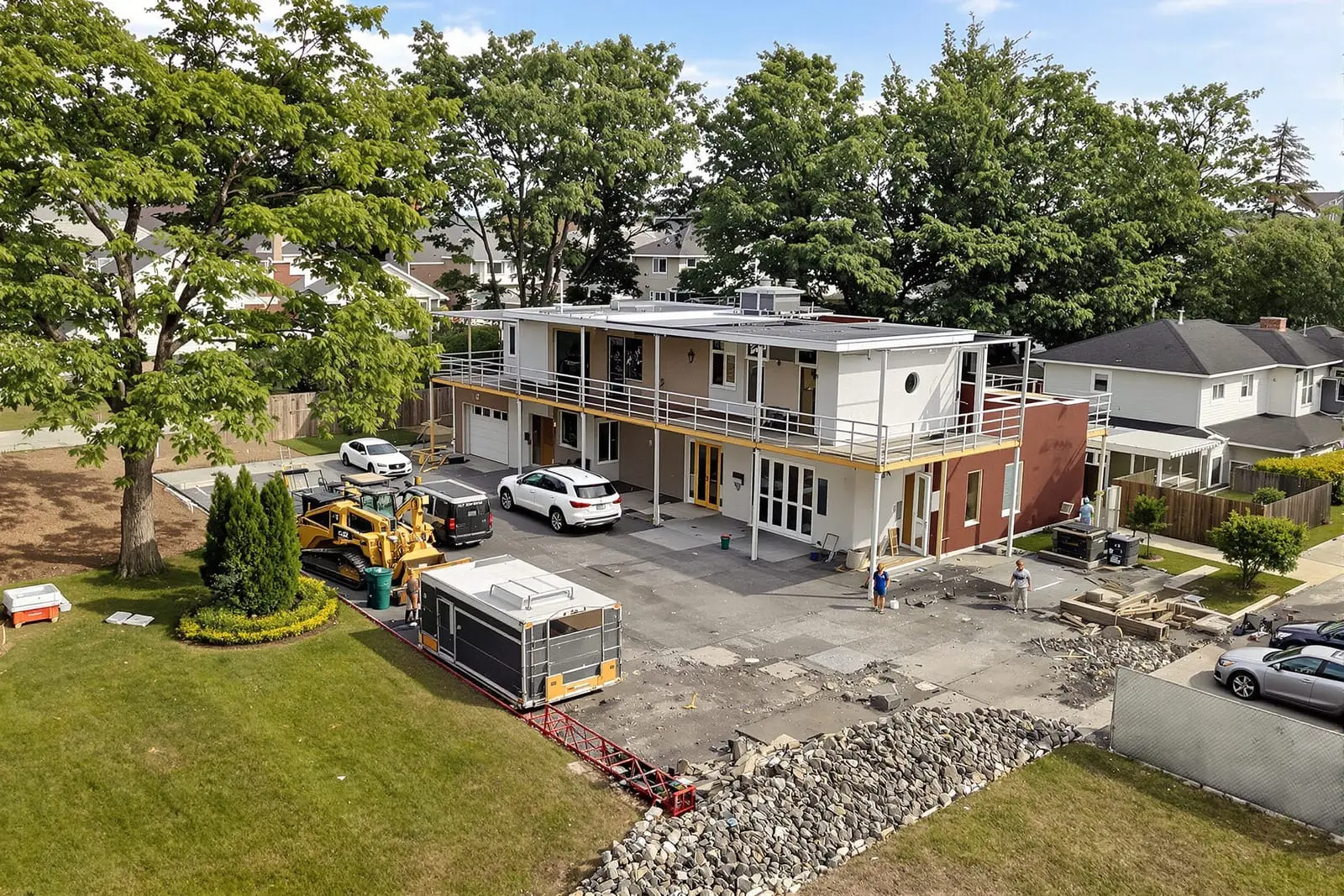
Our selective and partial commercial demolition services in Atlanta, GA focus on modifying existing buildings while keeping key areas operational. We remove specific bays, mezzanines, facades, or interior sections according to engineering plans. Careful sequencing, shoring, and dust control minimize disruption to tenants and neighbors.
Wrexo Demolition Atlanta provides professional selective commercial demolition throughout Atlanta, GA and the surrounding area. Our licensed, insured crew delivers safe, clean, on-time work with a free estimate before anything begins. Call (678) 561-8690 or request your free quote.
Selective Commercial Demolition for Atlanta Workspaces and Facilities
Selective commercial demolition is about taking out only what needs to go and protecting everything that needs to stay. Wrexo Demolition Atlanta focuses on this type of work for occupied offices, retail spaces, restaurants, medical suites, schools, and light industrial buildings across the Atlanta area.
On a typical project, we are removing walls, ceilings, interior slabs, mechanical units, mezzanines, or old buildouts while keeping the main structure, utilities that stay active, and neighboring suites intact. This might be peeling back a single tenant space in a Buckhead office tower or stripping a former restaurant in Midtown without affecting the building shell or shared systems.
Atlanta buildings often mix old and new construction, so we do not assume anything. Before any cutting or breaking starts, we verify what is structural and what is not, identify active electrical and data runs that feed other tenants, and coordinate around live sprinkler and fire alarm systems. That front-end work is what keeps selective demolition from turning into a costly surprise for the owner or GC.
We also plan around local conditions. In hot, humid Atlanta summers, dust control and air quality in occupied buildings matter a lot more, and afternoon thunderstorms affect when we can safely move debris out or stage equipment. Our approach is built for that reality, not a generic one-size-fits-all process.
How the Selective and Partial Demolition Process Works
Wrexo Demolition Atlanta follows a step-by-step process to keep selective commercial demolition controlled and predictable.
1. Site walk and utility tracing. We walk the space with the owner, GC, or property manager, note what must remain, and photograph existing conditions. Then we locate and mark utilities using plans when available and field verification when they are not. That can include circuit tracing for panels that feed multiple suites, identifying common-area plumbing risers, and verifying which walls are load-bearing or braced.
2. Protection of what stays. Before we touch demolition, we install floor protection, dust partitions, door and frame protection, and sometimes temporary plywood or stud walls around glass storefronts, elevators, or sensitive equipment. In medical or data environments we can create negative air zones and use HEPA filtration so dust does not migrate into adjacent operating areas.
3. Soft strip and fixture removal. We start by removing furniture, ceiling tiles, light fixtures that are not being reused, doors, trim, and casework. Where possible, we disconnect and cap plumbing fixtures, RTUs, and electrical feeds at accessible points so the remaining systems stay live and safe.
4. Structural and concrete removal. Once the soft strip is complete, we move to walls, slabs, curbs, and structural modifications that are in scope. For concrete work we use saw cutting to create clean lines at new openings for doors, windows, or mechanical penetrations, then break and remove the section with electric breakers or smaller equipment that can get into tight spaces without overloading the slab.
5. Sorting, hauling, and cleanup. Debris is sorted for recycling where practical, especially metals and clean concrete. In dense Atlanta areas or buildings with limited loading dock times, we schedule hauls for specific windows so the building operations are not disrupted. We finish with broom-clean conditions and, if required, a detailed photo log for your records or landlord.
What Drives Cost and Schedule for Partial Commercial Demolition
Selective commercial demolition pricing is driven more by complexity than by simple square footage. Understanding those cost factors helps you plan the project and compare bids fairly.
Access and logistics. In downtown or Midtown Atlanta, limited loading docks, no weekend noise allowances, and restricted freight elevator use can slow removal and add labor hours. A single-story warehouse in Norcross with a roll-up door is simpler and usually less expensive per square foot than the same amount of work on the 15th floor of a Peachtree tower.
Utility conditions. If existing drawings are inaccurate, or if multiple tenants share panels, risers, or RTUs, we need more investigative and electrician time to isolate and cap services. That extra care prevents accidental outages to neighbors but it does affect cost.
Material types and quantities. Masonry or structural concrete removal costs more than light-gauge partitions and ACT ceilings, especially when we are saw cutting thick slabs or heavily reinforced members. Removing glued-down flooring on an older slab can be slower than it looks, especially if the adhesive is stubborn.
Hours and occupancy. Working at night or outside normal business hours, which is common in active offices and medical buildings around Atlanta, involves shift premiums and sometimes smaller crews. In return, you get minimal impact on staff and tenants.
Permits and inspections. Some Atlanta jurisdictions treat interior demo differently from structural changes, but if we touch anything that affects egress, rated assemblies, or main structural elements, permitting and sometimes engineering sign-off are required. Wrexo Demolition Atlanta can coordinate with your design team and building officials so the schedule lines up with inspections and landlord approvals.
Common Challenges in Atlanta Selective Demolition and How We Handle Them
Older Atlanta buildings, split suites, and mixed-use developments create challenges that do not show up on simple demolition checklists. Wrexo Demolition Atlanta is set up for those realities.
Hidden systems in shared walls. In office towers and medical buildings, it is common to find data, security, or low-voltage lines routed through demising walls. Before removing or cutting into these walls, we open inspection holes and test for live lines. When we find shared systems, we flag them, coordinate reroutes if needed, and only then complete the removal.
Noise and vibration control. Many Atlanta commercial projects happen in buildings that remain fully occupied. We schedule heavier breaking and saw cutting for early or late windows that the landlord allows, use electric equipment where possible to reduce noise, and coordinate noisy activities around sensitive tenants such as recording studios, legal offices, or medical practices.
Weather and humidity. While most selective commercial demolition is interior, Atlanta weather still matters. Humidity increases dust adhesion on surfaces and can affect temporary partitions and negative air setups. Sudden thunderstorms can halt exterior material handling and make dumpster lids mandatory to prevent waterlogged debris and overweight loads. We factor the season into our planning, which avoids surprise costs for extra pulls or wet loads.
Tight structural tolerances. In partial demolition, overcutting a slab opening or removing a section of a load-bearing wall can create structural issues or added engineering costs. We tightly control cut lines, use shoring when needed, and work directly from engineer details when the project includes structural modifications. This level of detail is key in older brick or concrete buildings that have seen multiple renovations over the years.
How to Prepare Your Atlanta Space for Selective Demolition
Good preparation keeps selective commercial demolition shorter, cleaner, and less disruptive. Here are practical steps Atlanta owners, facility managers, and GCs can take before Wrexo Demolition Atlanta arrives.
Clarify what must stay. Identify equipment, finishes, or systems that are to remain and mark them if possible. Examples include base building light fixtures in a high-rise, existing fire sprinklers and alarm devices, or demising walls controlled by the landlord.
Confirm building rules. Every Atlanta building has its own rules for working hours, noise limits, use of freight elevators, and dumpster placement. Getting those rules from property management and sharing them with us before we bid lets us plan realistic crew sizes, schedules, and hauling logistics.
Plan for tenant and staff communication. In occupied spaces, let people know when noisy work, temporary closures, or access changes will happen. Clear communication reduces complaints and pressure on building management and security.
Gather existing drawings if available. Original plans, even if they are not perfect, cut down on investigation time and help us spot potential structural or code issues early. We do not blindly trust drawings, but they are a useful starting point.
Discuss future layout and systems. Even if your new buildout plans are not final, knowing where new walls, restrooms, or equipment will go helps us demo more precisely and avoid removing elements that could have been reused. Coordinating up front often saves both time and money during the build-back phase.
“
Professional selective and partial commercial demolition, done right the first time, quality materials, honest pricing, and results that last.
Wrexo Demolition Atlanta
Selective and Partial Commercial Demolition Across Our Service Area